Udumbara: Polyflowers packaged as a fruit
By misreading the Lotus Sutra, Chen De'an 陳德安 (b. 538, d. 597), a Tiantai

If we assume that the authors of the Lotus Sutra was aware of the fact that the Udumbaras are actually enclosed within a fruity shell, then perhaps their lament was less about the rarity of the flower itself and more about the difficulty of finding someone sufficiently knowledgeable in botany to recognize that the Udumbara is a hypanthium 内華, and therefore technically distinct from ordinary flowers.
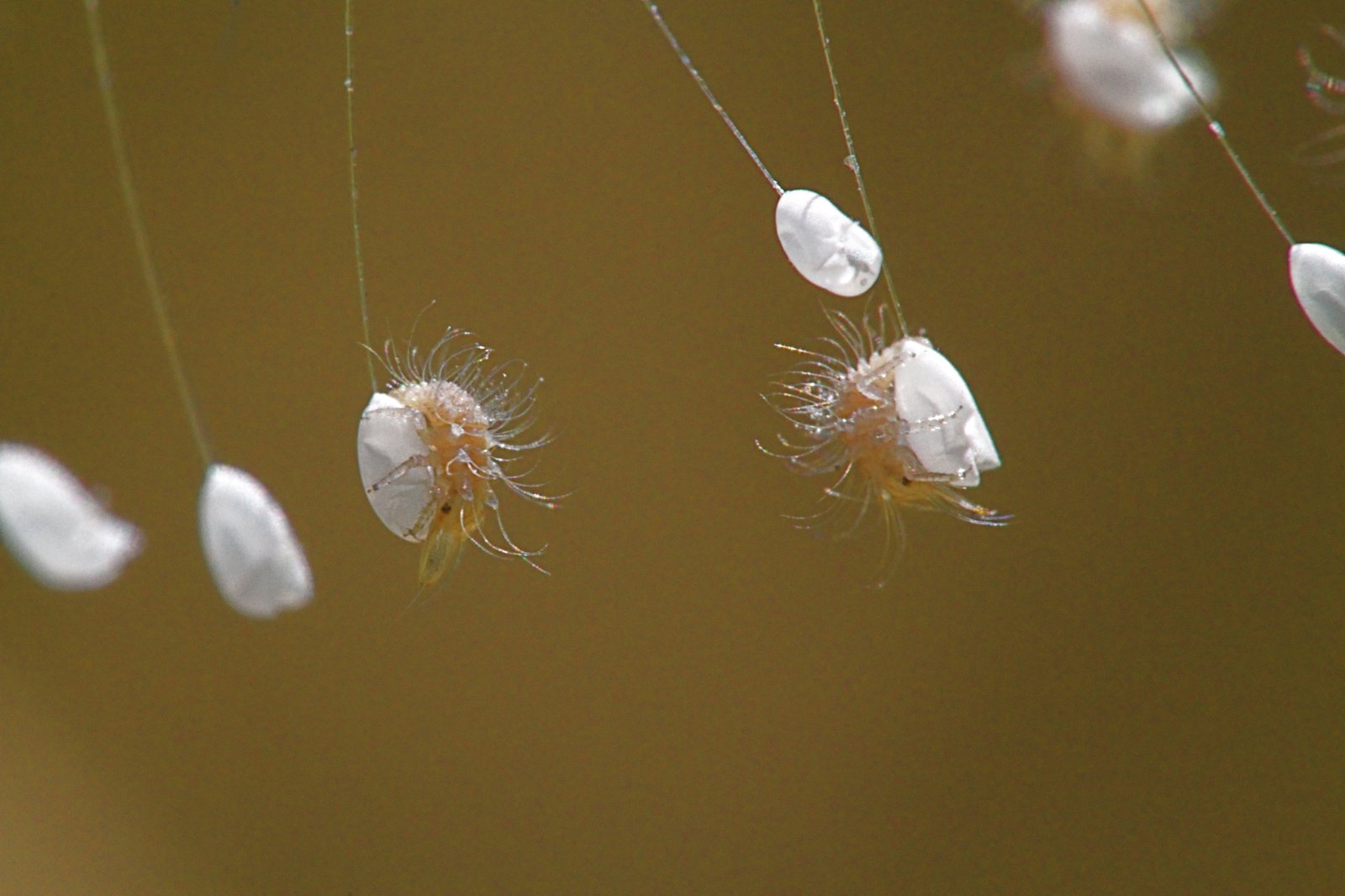
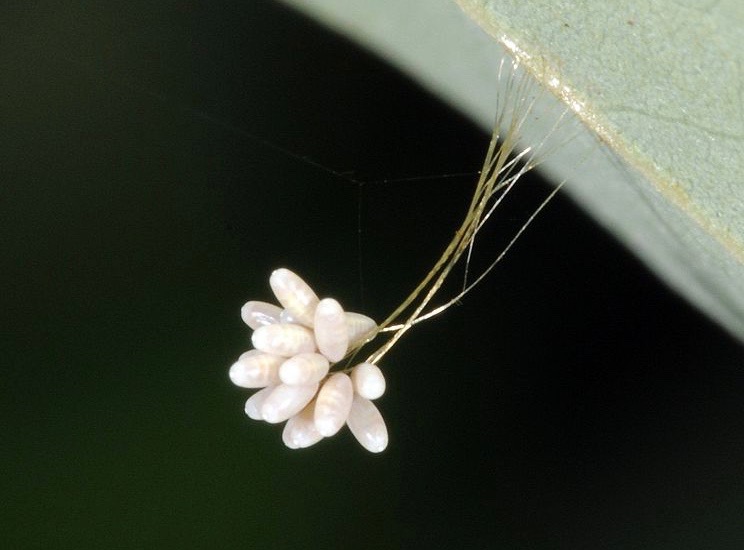
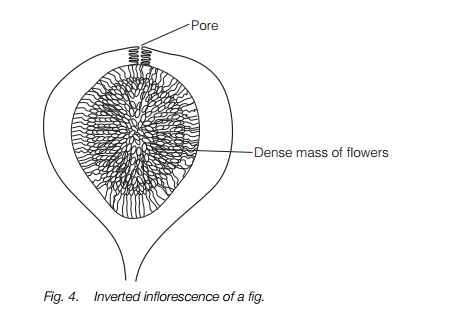


- In The words and phrases of Lotus Sutra 妙法蓮華經文句 by Chen De'an 陳德安 or Zhiyi 智顗 (his monastic title), Chen remarked:
優曇花者,此言靈瑞,三千年一現,現則金輪王出,表三乘調熟已後方說妙法,授法王記。又隔跨酪、生蘇、熟蘇三味已後,乃說醍醐 . . .
The udumbara flower is spoken of as a sacred omen, appearing only once in 3,000 years. When it appears, it signifies the coming forth of a Chakravartin. This represents that, after beings of the Trivahana have been fully matured and harmonized, the Buddha then expounds the wondrous Dharma and bestows the prophecy of Buddhahood. Likewise, only after passing beyond the three flavors of curds, thin butter oil, and thick butter oil does he then speak of Daigo, the ghee of the greatest flavors.
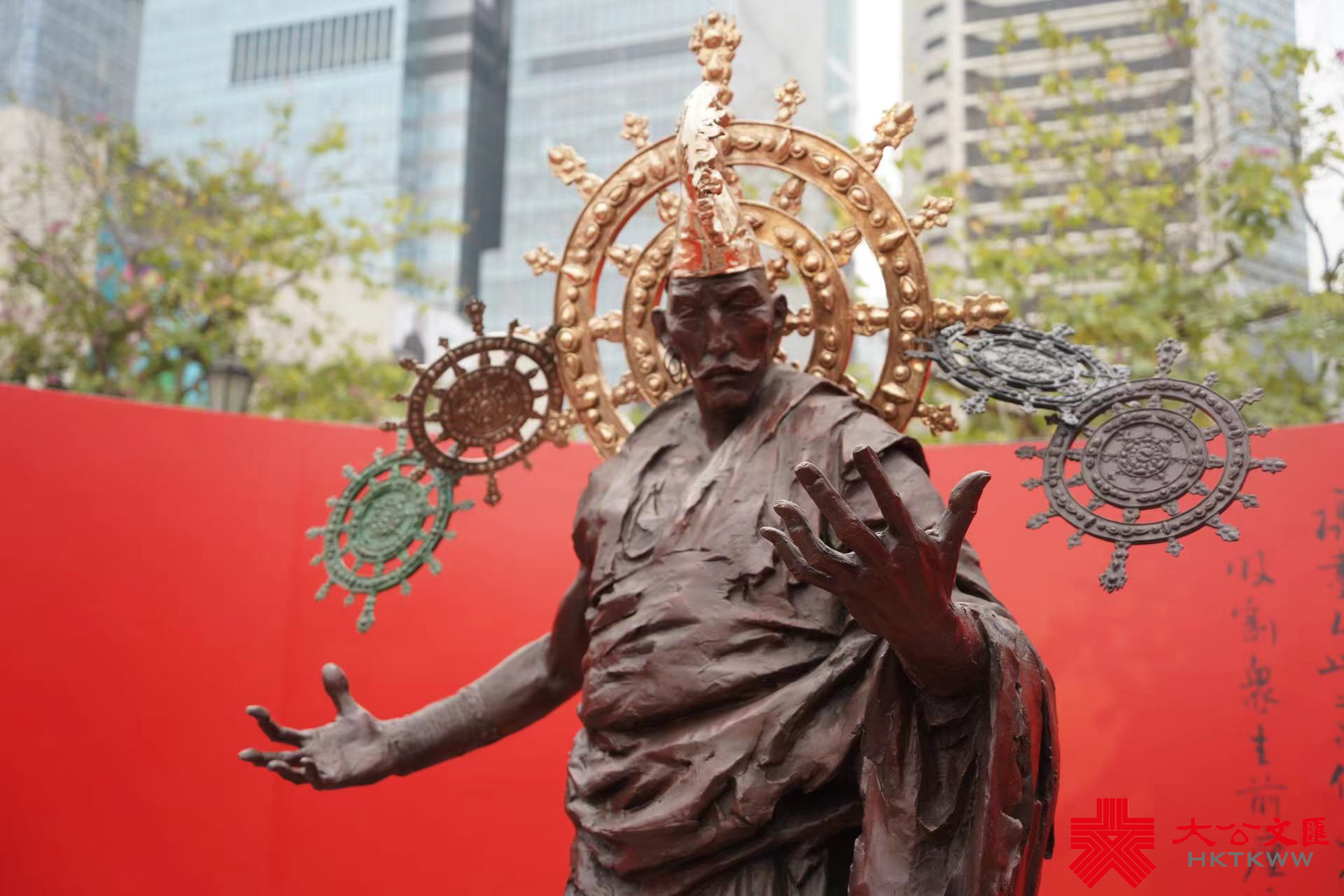
The Chakradharma king 金輪法王 as envisioned by Jinyong 金庸 in his The Return of the Condor Heroes 神鵰俠侶.
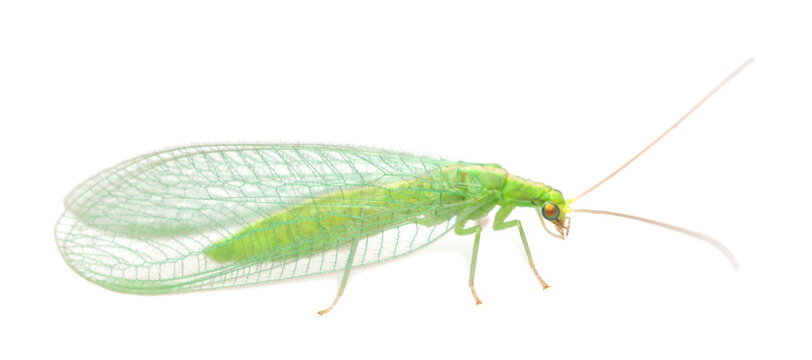
The green lacewing (Chrysoperla plorabunda) is apparently not Chakravartin, but her eggs are sometimes worshipped as Udumbara by the uninitiated.

This portrait of Chen Jinlong 陳金龍 was painted by Zhi Kai 智開 (of Zizulin Temple 紫竹林寺), it features a white Udumbara flower enclosed in three concentric spheres.
- Both Samadhi 三昧 (समाधि = meditative absorption) and triflavor 三味 can be found in his commentary on Lotus Sutra. The latter was used only in three locations, Chen was apparently aware of the conventional meaning of Samadhi but he introduced a close orthographic cousin of Samadhi in his analogy of the different grades of butter oil.
- Udumbara was mentioned in the second chapter of Lotus Sutra 妙法蓮華經 (Hopenbon 方便品第二), first in prose form and then in pentagatha form.
The Buddha said to Sariputra: Such is the wondrous Dharma, which the Buddhas and Tathagatas speak of only at certain times, like the udumbara flower, appearing but once in a while. Sariputra, you should have faith in what the Buddha says; his words are not false. Sariputra, the Buddhas teach the Dharma according to circumstances, and their intent is difficult to understand. Why is this so? It is because I, through countless expedients, various causes and conditions, metaphors, and words, expound the Dharma. This Dharma cannot be comprehended merely by thought or discrimination; only the Buddhas can truly know it. Why is this so? The World-Honored Buddhas appear in the world only because of one great causal condition. Sariputra, how is it said that the World-Honored Buddhas appear in the world only because of one great causal condition? The Buddhas appear in the world to enable sentient beings to open to the Buddha’s wisdom and attain purity; to demonstrate to sentient beings the Buddha’s knowledge and insight; to help sentient beings awaken to the Buddha’s wisdom; and to lead sentient beings onto the path of the Buddha’s wisdom. Sariputra, this is why the Buddhas appear in the world due to one great causal condition.
佛告舍利弗:如是妙法,諸佛如來時乃說之,如優曇鉢華,時一現耳。舍利弗!汝等當信佛之所說,言不虛妄。舍利弗!諸佛隨宜說法,意趣難解。所以者何?我以無數方便,種種因緣、譬喻言辭,演說諸法。是法非思量分別之所能解,唯有諸佛乃能知之。所以者何?諸佛世尊唯以一大事因緣故出現於世。舍利弗!云何名諸佛世尊唯以一大事因緣故出現於世?諸佛世尊,欲令眾生開佛知見,使得清淨故,出現於世;欲示眾生佛之知見故,出現於世;欲令眾生悟佛知見故,出現於世;欲令眾生入佛知見道故,出現於世。舍利弗!是為諸佛以一大事因緣故出現於世。

Two clusters of Udumbara (Ficus racemosa).
For example, the udumbara flower, all beings delight in it with love and joy. It is rare even among devas and humans, appearing only from time to time. When one hears the Dharma and rejoices, praising it, even to the extent of speaking a single word, that is considered as having already made offerings to all Buddhas of the three times. Such a person is exceedingly rare, even rarer than the udumbara flower. Do not harbor any doubt, for I am the king of all Dharmas.
譬如優曇花,一切皆愛樂
天人所希有,時時乃一出
聞法歡喜讚,乃至發一言
則為已供養,一切三世佛
是人甚希有,過於優曇花
汝等勿有疑,我為諸法王
- Although the Kedahans fought to defend Kacapuri from the Siamese incursion, the city was eventually sacked. Sultan Ahmad Taj al-Din Halim Shah II was forced to flee to Penang in search of refuge.
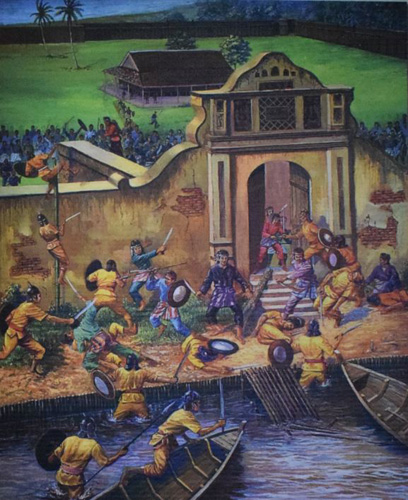
When his father ceded Penang to the British in 1786, he could not have foreseen that one day the island would serve as a sanctuary for his sons and other members of the royal family.
- Concerning Taksin, Konig (1799, p. 164) has the following to say: . . . the present king has gained the kingdom by his bravery and cleverness. On his father's side he belongs to a kind of Siamese aristocracy, and on that of his mother to the Chinese. At the time when the Burmans invaded this kingdom he was governor over a small part of the country. The Burmans committed the fault of going home with their booty after they had robbed and plundered the land, and only leaving a few people under a governor's command in Siam, who were not even able to prevent the Chinese living in the country from breaking the idols and ruining the temples. The present king saw this; he waited for a favorable time, circumstance and opportunity. He surprised the Burmans left in charge, and treated them with such severity as they had deserved by their former cruelties to the country, and in a short time he conquered the whole land, because all came to him on account of his success, and after he had re-established order, he proclaimed himself as their king. He is rather small in stature. His character is not one of the best, as he allows his anger to over-master him completely and for small crimes he has people beheaded, regardless of what rank they may be. His sons, most of them grown up, his nearest relatives, even his generals and ministers, he has had at some time or the other publicly punished with rotan sticks, and as the Siamese seldom wear their jackets one can see that all the grandees have had their backs torn with the rotan whips.

Moreover he is jealous, fears everybody and everything, and is grasping, and with all that he believes that according to their religious creed he will one day be a god. To be able to draw breath so that one does not perceive any movement in the pit of the stomach, is considered a sign of his commencing divinity. Moreover there are some other sure signs thereof, consisting in his being able to sit perfectly rigid for hours like the idol Rill, with meditative features and fixed eyes, and lastly he believes that by reading he is going to have white blood, as the gods are said to have that too. With these capacities he believes he will finally succeed in flying. He relates all this nonsense to all who appear before him, and asks them whether they do not think them possible, and whether they do not believe that one day he well be able to fly, whereupon he is assured by all his courtiers, doctors and Talopoins that he surely is right. Unfortunately for the old bishop and his two priests, he had them brought before him two years ago, and also questioned them about these things and whether they did not think them possible. As they all unanimously denied this, he ordered each of them to be given 100 strokes with the rotan sticks; some other Christians had the same fate. Afterwards they were laid in irons, and thrown into prison. The old bishop remained there for one year, the others were released after half a year, but the old man still suffers great pains from the wounds which the iron has made in his feet . . .
- The full name of the Kingdom of Setul is Negeri Setul نڬري ستول Mambang ممبڠ Sagara سڬارا.

In Malay, mambang refers to a deity or spirit, sagara सागर, on the other hand, is an Indic word meaning ocean. Sagara 沙竭羅 is one of the eight nagaraja 竜王 in Mahayana Buddhism, and his name resonates intriguingly with Marong Mahavamsa, another dragon chronicled in the Kedah annals. A vivid example is mambang kuning (Wilkinson 1901, p. 655), which embodies the golden hues of sunset clouds. After a rainy day blessed by the sea dragon king, the setting sun seems to bathe everything in a warm, yellow glow.

The statue of mambang Sagara, the sea dragon spirit 沙竭羅 竜王 in Sensoji 浅草寺, Tokyo.
- Both Tunku Pangeran (Sultan Ahmad Taj al-Din II) and Tunku Bishnu were both born to Wan Mas, the queen of Sultan Abdullah Mukarram Shah. Wan Mas also had another son and six daughters. Sultan Abdullah had four concubines: Che Bonda (3 sons + 1 daughter), Che Mas (1 son), Che Indera Sari (2 sons + 2 daughters), and Bida Sari (2 daughters).

- The full name of the Kingdom of Setul is Negeri Setul نڬري ستول Mambang ممبڠ Sagara سڬارا.



Comments